Feel Better Feel Great Ep 174
Is Birth Control Helping or Hiding the Truth About Your Hormones After 40?
If you’ve ever wondered whether your birth control at 40 is helping you feel steady—or quietly masking what’s really happening underneath—this one’s for you.
If you’ve ever wondered whether your birth control at 40 is helping you feel steady—or quietly masking what’s really happening underneath—this one’s for you.
I’ve seen hundreds of women reach their 40s and start noticing changes they can’t quite name: heavier bleeding, mood swings that don’t match their reality, mid-sleep wakeups, or a sense that their body is just “off.”
Here’s the truth: while hormonal contraception can be a helpful bridge, it can also blur the real picture of what’s going on. So today, let’s talk about how to tell the difference—and what to do if your body’s rhythm feels out of sync.
Understanding What’s Really Happening After 40
Many women in their 40s get swept into the “perimenopause” bucket. It’s a convenient label, but it’s not a diagnosis—it’s a transition.
During this time, estrogen levels start to swing unpredictably, and progesterone begins to decline. You may notice:
- Breast tenderness or bloating before your period
- Heavier, longer, or more irregular bleeding
- Trouble staying asleep (especially around 3 a.m.)
- Mood spikes or anxious irritability that seem random
- Brain fog or “energy crashes” mid-cycle
These shifts don’t mean your body is broken—they’re signals. Your hormones are talking, asking for support and recalibration, not silencing.
How Birth Control Can Help (and When It Doesn’t)
For some women, hormonal contraception acts like a stabilizer. It can ease heavy flow, tame cramps, and bring a sense of predictability.
Here’s how different options can work:

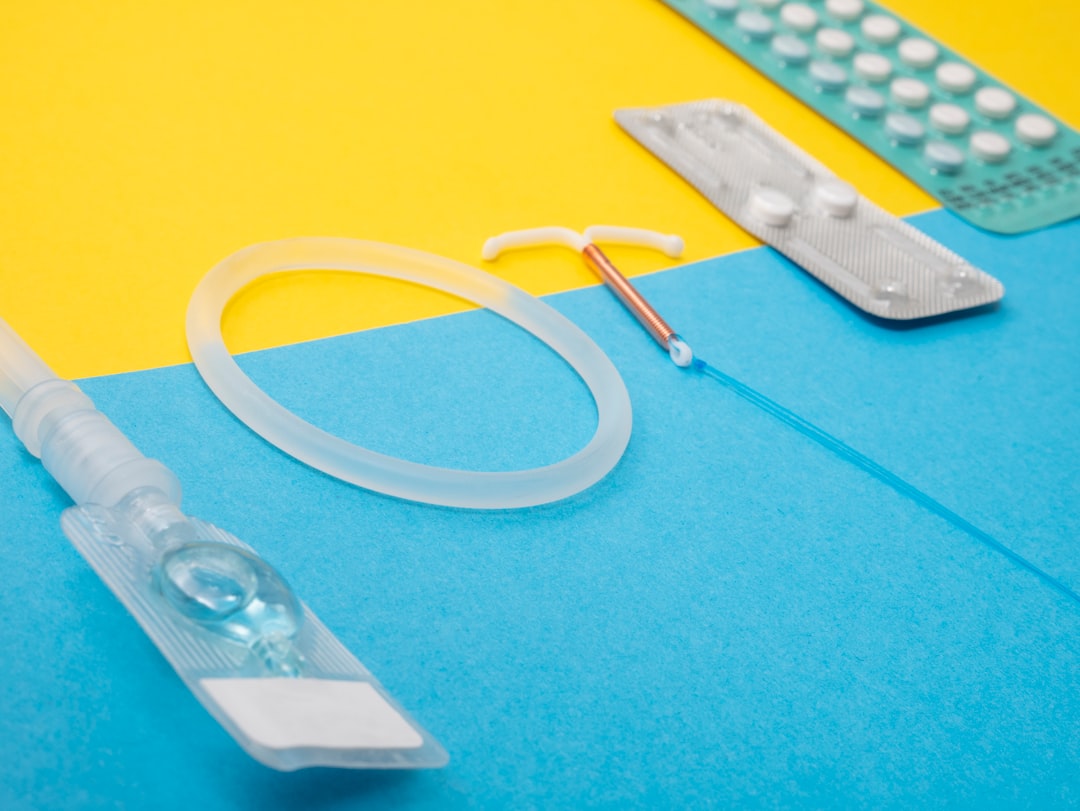
1. Progesterone-Based IUDs (Mirena®, Kyleena®, Skyla®)
- Often the first choice for heavy bleeding.
- Can lighten or even stop periods completely.
- Works by thinning the uterine lining—helpful for anemia or extreme flow.

2. Combined Methods (pill, patch, ring)
- Contain both estrogen and progesterone.
- Can smooth mood swings and make cycles more predictable.
- Pills go through the liver, but patches and rings bypass it—something to discuss with your clinician if you have liver or clotting concerns.

3. Progesterone-Only Options (mini-pill, implant, injection)
- Used when estrogen isn’t safe (like with migraines with aura or smoking history).
- Bleeding patterns can vary—some women stop bleeding, while others spot frequently.
These methods can be incredibly helpful if they’re matched to your body’s needs and risk factors. But when used as a quick fix without investigating why your symptoms began, they can hide important clues.
The Red Flags You Shouldn’t Ignore
Even if you’re on birth control, certain symptoms deserve a closer look.
If you notice any of the following, don’t write them off as “normal” for your age:
-
Heavy bleeding that soaks through protection every hour for 2+ hours
-
Bleeding between cycles or after sex
-
Sudden mood changes or worsening depression
-
One-sided leg swelling or shortness of breath (possible clot warning)
-
Severe chest pain or vision changes
-
New or worsening migraines, especially with aura
These are signals that something deeper may be happening—and they deserve medical attention, not dismissal.
When It’s Time to Test Instead of Guess
If you’re over 40 and your cycles have become unpredictable, you deserve more than a prescription refill. You deserve data.
Functional medicine takes a root-cause approach. Rather than suppressing symptoms, we look at why they’re happening—through comprehensive hormone testing that maps how your estrogen, progesterone, testosterone, and cortisol are really performing throughout your day and month.
This helps identify whether your symptoms are due to:
- Estrogen dominance (too much estrogen relative to progesterone)
- Low progesterone (from fewer ovulatory cycles)
- Cortisol dysregulation (stress hormone imbalance)
- Thyroid sluggishness or conversion issues
- Nutrient deficiencies that affect hormone pathways
When you understand what’s driving the chaos, you can make targeted changes—supporting your body instead of silencing it.
A Functional Medicine Perspective: Stabilizing from the Inside Out
I often tell my patients, “Your hormones are like an orchestra—every instrument has to play in rhythm.”
When one section (like your ovaries or adrenals) gets out of tune, the entire symphony feels off. Birth control might quiet the noise, but it doesn’t retune the instruments.
That’s why we focus on restoring rhythm, not just managing chaos.
Here’s what that can look like:
Nutrition
Eating steady, protein-rich meals and stabilizing blood sugar reduces adrenal stress (and mood swings).
Supplements
Magnesium for sleep and calm, Omega-3s for inflammation, and B-complex vitamins for energy and hormone synthesis.
Iron
If you have heavy flow, checking ferritin levels and replenishing with plant-based liquid iron can relieve fatigue.
Sleep
Aim for consistent wake and sleep times; morning light helps reset your circadian rhythm.
Stress Support
Gentle movement, breathwork, or lymphatic drainage helps balance cortisol and estrogen metabolism.
When your foundation is strong, even hormonal shifts become smoother.
Matching Your Birth Control to Your Biology
Here’s a simple way to think about it:
If you’re using birth control for contraception, it’s doing its job.
If you’re using birth control for symptom management, it’s time to also ask why those symptoms exist.
A short-term hormonal method can serve as a bridge—but your long-term stability will come from understanding your own hormone patterns.
Ask your clinician about:
- Root cause hormone testing to uncover your exact hormone rhythm
- Thyroid and nutrient testing to see how your body is supporting hormone metabolism
- Functional options like bioidentical progesterone, plant-based estrogens, or adaptogens (if appropriate)
And remember: cycle variability in your 40s may be common—but it’s not inevitable or untreatable.
The Quick Win: Start Tracking
Before your next appointment, start tracking these four things:
-
Cycle length and flow pattern
-
Mood changes (especially in the week before your period)
-
Sleep quality and wake-up times
-
Energy levels throughout your cycle
Patterns here can give both you and your clinician powerful insight into your hormonal rhythm—and help guide more personalized support.
You Deserve Answers, Not Assumptions
Too many women over 40 are told their symptoms are “just perimenopause” or “just stress.” But you know your body better than anyone. You have a PhD in you.
If you feel off, you’re not imagining it—and it’s not too late to feel better. The key is to test, not guess, and to build a plan that respects your body’s design.
Ready to Find Out What’s Really Going On With Your Hormones?
If your cycle feels unpredictable, your moods don’t match your life, or your energy keeps crashing, it’s time for clarity.
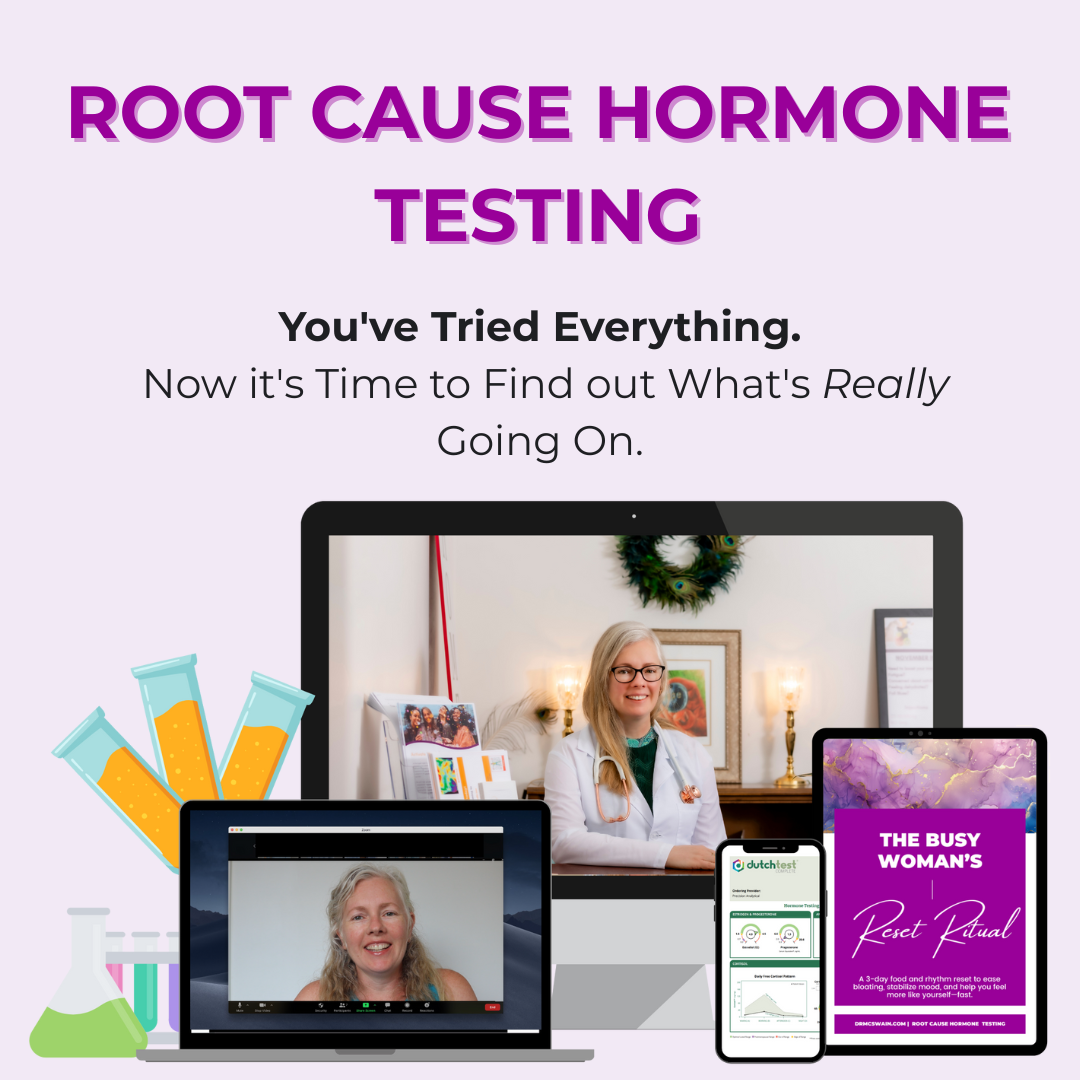
That’s exactly why I created the Root Cause Hormone Testing program—so you can finally see what your hormones are actually doing and take steps that truly help you feel steady again.
You’ll get:
- The exact hormone test I use in my clinic
- A personalized, easy-to-follow interpretation guide
- Actionable steps to begin rebalancing right away
When feeling off becomes your new normal, it’s not in your head—it may be your hormones.

MCHM MAIN
1909 E Michigan Ave
Lansing MI 48912
USA
(616)264-6556
Resources
© 2025 DrMcswain. All Rights Reserved.